Forestry mulching grinds brush, invasive plants, and small trees into mulch right where they stand, instead of hauling debris off your property or burning it. Most Maui lots run $800 to $3,500 depending on acreage and vegetation density, and a typical residential job wraps up in a single day.
Pacific Earth Workx gets called out to a lot of overgrown Upcountry lots, and one job changed how we explain this service to new clients. A property owner in Haiku had two acres so thick with guinea grass and Christmas berry that you couldn’t walk the back third of the lot without a machete. She’d gotten quotes from companies that wanted to bulldoze everything and haul it to the dump. We mulched it instead. Three days later, the ground was already holding moisture better than it had in years, and she didn’t pay a single dump fee. That’s the difference between clearing land and clearing it the way the land actually wants to be cleared.
What Is Forestry Mulching, Exactly?
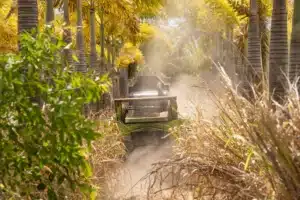
Forestry mulching uses a specialized machine with a rotating drum head to grind standing vegetation, from grass and brush up to small trees, into mulch on-site. The mulch stays right where the vegetation used to be, which means no trucks hauling debris and no burn piles.
Did You Know? Mulch left on-site after a mulching job acts like a natural weed barrier. It blocks sunlight from reaching the soil, which slows down regrowth of fast-spreading species far more than a clean-cut lot does.
How It’s Different From Other Clearing Methods
Traditional land clearing often means cutting, hauling, and sometimes burning. Forestry mulching skips two of those three steps. The equipment chews through brush and small-diameter trees in one pass, leaving a layer of mulch that breaks down naturally and feeds the soil instead of stripping it bare.
This matters most on properties with any slope or erosion risk, which covers a lot of Maui’s hillside and Upcountry lots. Bare, cut ground washes away in heavy rain. Mulched ground holds together.
What Mulching Won’t Do
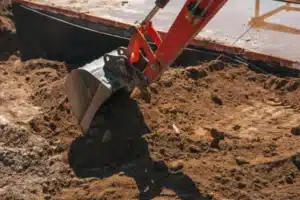
Mulching isn’t a fit for every situation. Large mature trees usually need separate tree removal services before mulching the smaller growth around them. And if you need a perfectly bare pad for construction, mulching gets you most of the way there, but final grading still requires excavation work.
Why Maui Property Owners Choose Forestry Mulching
Pro Tip: If your goal is fire safety, ask your contractor to mulch in a ring around structures first, then work outward. Defensible space closest to your home matters more than clearing every acre evenly.
Fire Risk Reduction
Invasive grasses like guinea grass and buffelgrass cover a large share of Hawaii’s landscape, and the Hawaii Invasive Species Council classifies several of these species as high fire hazards because of how densely and quickly they grow back after cutting. Mulching knocks down that fuel load and, because it doesn’t leave dry cut brush piled up waiting to dry out further, it doesn’t create a fresh fire hazard of its own the way some traditional clearing methods do.
Soil Health and Erosion Control
The mulch layer left behind retains moisture, breaks down into organic matter, and holds soil in place on slopes. Hawaii’s agricultural soil health resources point to mulch coverage as one of the most reliable ways to conserve moisture and protect topsoil from erosion. For agricultural lots and pasture land, this means better ground for whatever comes next, whether that’s grazing, planting, or just a usable yard.
Faster, Cleaner Process
Question: How long does forestry mulching take on a typical Maui property? Answer: Most residential lots under two acres are done in a single day. Larger or denser properties may take two to three days depending on terrain and vegetation thickness.
No hauling means no waiting on dump runs. No burning means no permits, no smoke complaints, and no fire watch requirement.
What to Expect During a Mulching Project
A mulching job on your property generally follows the same pattern.
- Site walk. We assess vegetation density, terrain, slope, and any obstacles like fence lines, irrigation, or septic systems before quoting.
- Equipment mobilization. Mulching heads vary by job. Dense Upcountry brush needs different horsepower than coastal Kihei overgrowth.
- Mulching pass. The crew works the property systematically, grinding vegetation into mulch as they go.
- Final walkthrough. We check coverage, flag any areas needing a second pass, and confirm the finished result matches what you wanted.
If your project also involves reducing wildfire risk around your home, this process pairs directly with our fire mitigation services, which focus on creating defensible space close to structures.
Mulching on Maui’s Unique Terrain
Hawaii doesn’t have a true off-season for plant growth, which means vegetation here regrows faster than almost anywhere on the mainland. A lot that gets mulched in spring can show new growth within a few months if it isn’t maintained.
Upcountry slopes add another layer. Steep terrain changes how equipment operates and how mulch settles, since material on a hillside behaves differently than on flat ground. A crew with real island experience adjusts for this instead of treating every job the same.
Choosing the Right Forestry Mulching Contractor
Ask any contractor about their equipment before booking. Mulching heads designed for light brush won’t hold up against thick guinea grass stands or small albizia saplings, and using the wrong machine for the job slows everything down and leaves a rougher finish.
Confirm they’re licensed and insured, since this work involves heavy equipment on your property. And ask how they handle areas with septic systems, irrigation lines, or fencing, since experienced crews know how to mulch around these without damage.
If you’re staring down an overgrown lot and wondering whether mulching, clearing, or a combination makes sense, request a free estimate and we’ll walk the property with you.
Forestry mulching turns overgrown, fire-prone land into healthier, more usable property without the hauling, burning, or bare-dirt aftermath that traditional clearing leaves behind. It’s faster, better for your soil, and often the smarter financial choice once you factor in skipped dump fees and reduced erosion repair down the line.
Ready to reclaim your overgrown lot? Call Pacific Earth Workx at (808) 269-3356 or request your free estimate today, and our crew will assess your property and recommend the right approach for your land and your goals.
Frequently Asked Questions
How much does forestry mulching cost on Maui?
Most residential jobs run $800 to $3,500 depending on acreage, vegetation density, and terrain. Steeper or denser Upcountry lots typically cost more than flatter, lighter coastal properties.
What’s the difference between forestry mulching and land clearing?
Forestry mulching grinds vegetation into mulch left on-site, while traditional land clearing usually cuts and hauls debris away. Mulching is faster, cheaper, and better for soil health in most residential situations.
Will forestry mulching kill invasive plants permanently?
Mulching removes the above-ground growth and slows regrowth, but it doesn’t eliminate root systems. Fast-spreading species like guinea grass often need a follow-up treatment or maintenance mulching within a year.
Can forestry mulching help reduce wildfire risk on my property?
Yes. Removing dense, dry vegetation cuts down the fuel available to a fire, especially near structures. Many Maui homeowners combine mulching with broader defensible space planning for the best protection.
Is forestry mulching better for steep or hillside properties?
Yes, generally. It avoids the bare, exposed soil that traditional clearing leaves behind, which reduces erosion risk on slopes. The mulch layer helps stabilize the ground until new growth or landscaping takes hold.